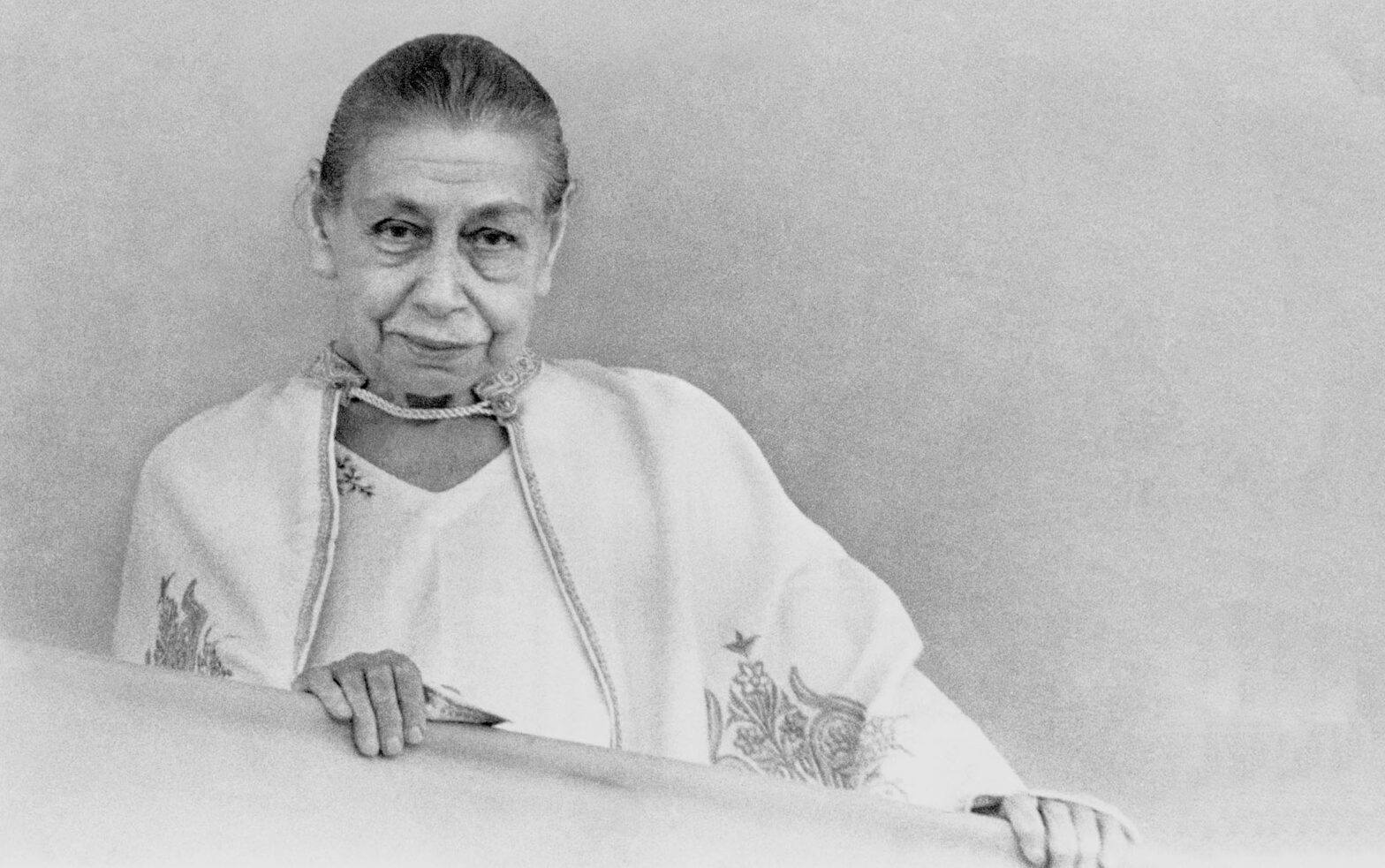
In a world where leadership is often measured by profits, KPIs, and short-term success, the teachings of The Mother (Mirra Alfassa) provide a refreshing and transformative perspective. Her philosophy emphasizes inner growth, universal love, and conscious action—principles that are not only spiritual but profoundly practical for leadership and community building today.
1. Leadership Rooted in Self-Awareness
The Mother stressed that true leadership begins within. By cultivating self-awareness and inner discipline, leaders can act with clarity, integrity, and emotional intelligence. She believed that personal transformation naturally radiates outward, influencing the team, organization, and community positively.
In practical terms, this means:
- Mindful Decision-Making: Pause to reflect on values and long-term impact before taking action.
- Emotional Regulation: Recognize and manage personal biases, stress, and reactions to foster calm and balanced leadership.
- Authentic Presence: Lead by example, demonstrating empathy, transparency, and ethical behavior.
2. Universal Love and Empathy in Leadership
A cornerstone of The Mother’s teaching is universal love—extending compassion and care beyond immediate circles to encompass all beings. In modern leadership, this translates to:
- Building inclusive workplaces that respect diversity.
- Encouraging collaboration and teamwork rather than competition.
- Supporting employees’ well-being, growth, and development.
Empathetic leadership enhances engagement, trust, and loyalty, creating communities—both inside and outside organizations—that thrive.
3. Conscious Action for Community Impact
The Mother believed that conscious action transforms not only the individual but society. Leaders who internalize this principle approach challenges with purpose and responsibility, balancing personal ambition with social good.
Practical applications include:
- Social Responsibility Initiatives: Align business practices with sustainability, social equity, and ethical standards.
- Community Engagement: Actively participate in or support initiatives that uplift local communities.
- Mentorship and Empowerment: Nurture growth in others, fostering a culture of learning, support, and collaboration.
4. Emotional Intelligence and Self-Care
The Mother emphasized that effective service begins with inner harmony. Leaders who prioritize self-care, emotional resilience, and reflective practices are better equipped to navigate challenges and inspire others.
Modern techniques aligned with her teaching include:
- Meditation or reflection sessions to reduce stress and enhance clarity.
- Emotional intelligence training to improve communication and conflict resolution.
- Intentional work-life balance to sustain energy and focus.
5. Building a Conscious Community
The Mother’s vision extends beyond individual leadership to community transformation. A conscious community is one where members support each other’s growth, act ethically, and contribute to collective well-being. Leaders inspired by The Mother cultivate:
- Shared values and purpose.
- Collaborative problem-solving and decision-making.
- A culture of empathy, respect, and continuous learning.
The Mother’s teachings provide timeless guidance for leaders seeking to make a lasting, positive impact. By integrating self-awareness, universal love, and conscious action, leaders can transform not only their organizations but the communities they serve.
Her wisdom reminds us that true leadership is not about power or position; it is about cultivating inner growth, acting with compassion, and inspiring others to evolve alongside us. In applying her teachings, modern leaders and community builders can create environments that are resilient, ethical, and deeply human—a legacy that lasts far beyond individual success.