
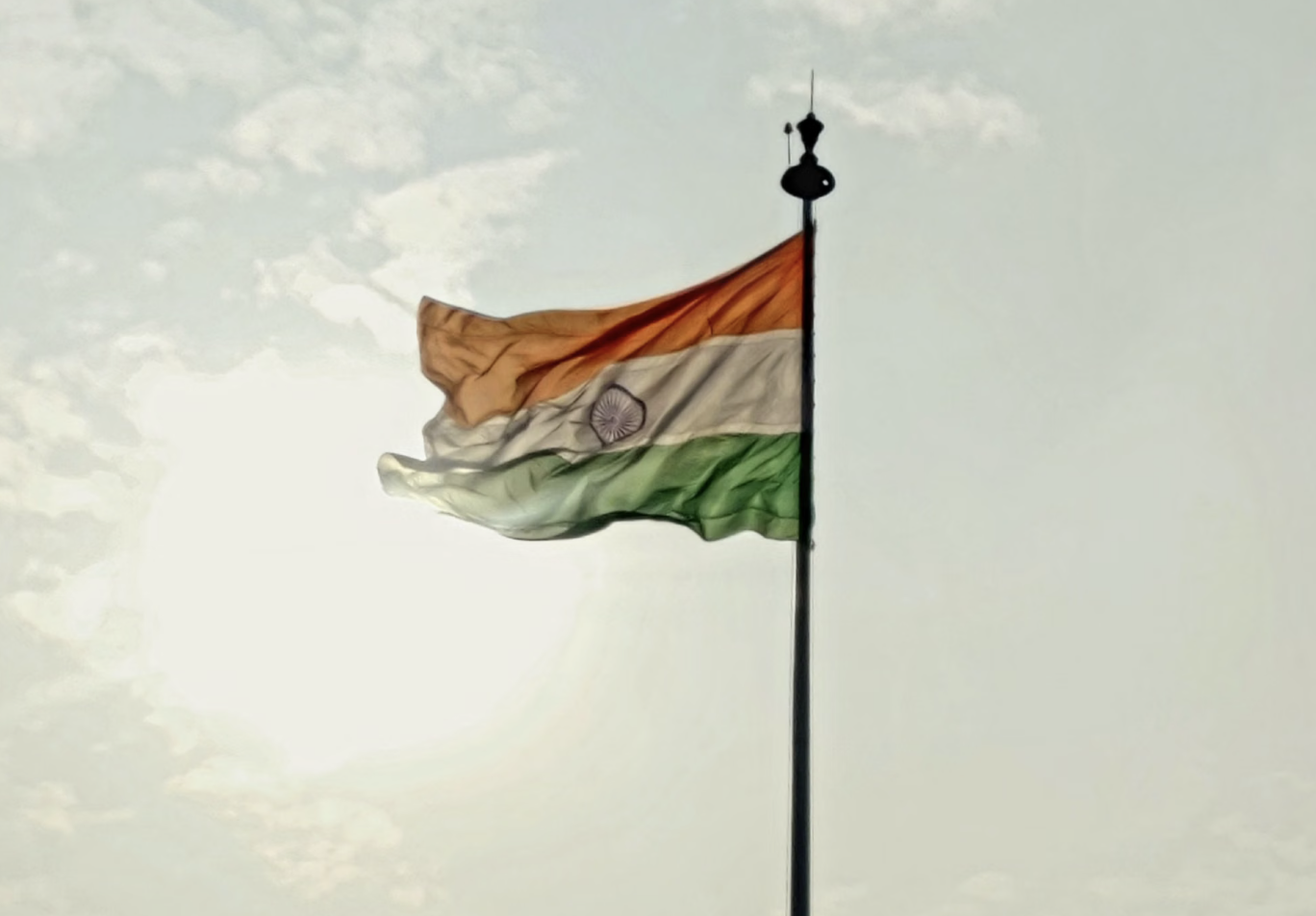
On August 15, 1947, as India awoke to life and freedom, the moment held double significance. It was not only the birthday of a free nation, but also the 75th birthday of Sri Aurobindo—philosopher, yogi, and freedom fighter.
In a historic message broadcast on the eve of Independence, Sri Aurobindo looked beyond political sovereignty. He viewed August 15 not merely as the end of foreign rule, but as the dawn of a spiritual awakening that would position India as a catalyst for humanity’s global evolution.
The Five Dreams of Sri Aurobindo
Sri Aurobindo outlined five world-movements—dreams he had nurtured since his youth—which he believed were converging on the date of India’s liberation.
1. A Free and United India
Sri Aurobindo celebrated national liberation but expressed deep concern over Partition. He viewed the division of the subcontinent as a temporary political expedient rather than a permanent reality, stressing that true national strength required organic unity, harmony, and common action across communities.
2. The Resurgence of Asia
He foresaw Asia breaking free from colonial dominance and regaining its rightful role in shaping human civilization. He envisioned India taking a leading, energetic position in guiding this continental resurgence.
3. A World-Union of Humanity
Looking toward international governance, Sri Aurobindo emphasized that true global unity could not rest solely on political treaties or institutions. It required an international spirit—a shared sense of human oneness where nations preserve their distinct identities while voluntarily integrating culturally and socially.
4. The Spiritual Gift of India to the World
He observed that India’s spiritual wisdom was already beginning to enter the West. In times of global crisis and materialism, he foresaw people worldwide turning toward Indian spiritual practices, philosophy, and inner discipline for guidance.
5. A Step in Evolutionary Consciousness
His ultimate vision was an evolutionary leap: raising human consciousness beyond the ego-bound mind to a higher spiritual state. Sri Aurobindo believed this inner transformation was essential to solving complex human problems, and that India was uniquely positioned to lead this central movement.
A Call to National Service
Sri Aurobindo concluded his message with a compelling call to action for the citizens of a newly independent nation:
“Work that she may prosper. Suffer that she may rejoice. All is contained in that one single advice.”
He urged individuals to dedicate their education, work, and personal growth to the selfless service of the motherland—framing national effort not as mere political ambition, but as a sacred duty toward universal progress.
Retrospective Relevance
Sri Aurobindo’s 1947 message remains a profound reminder that true independence is not just a structural transition of power, but an opportunity for cultural resurgence, international harmony, and conscious human development.