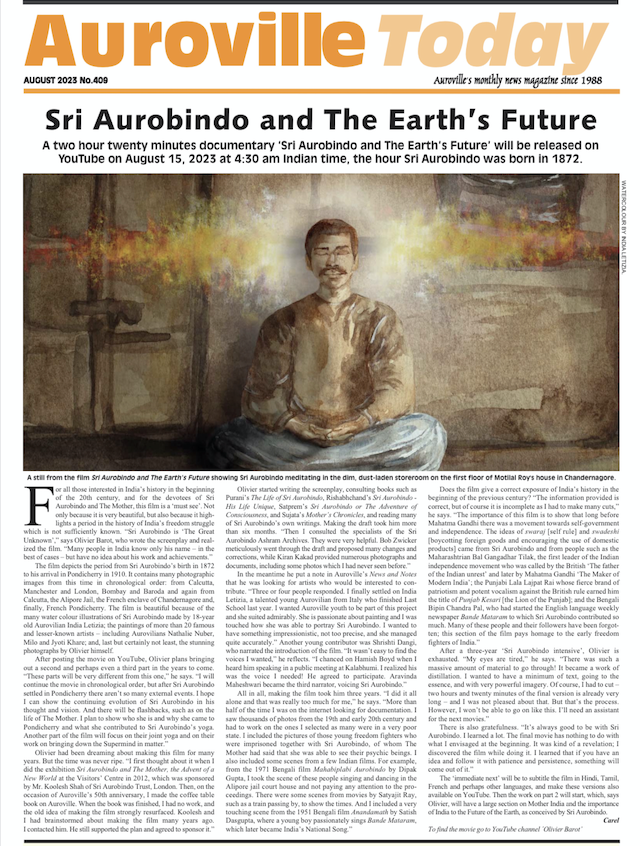
Sri Aurobindo and The Earth’s Future, A two hour twenty minutes documentary ‘Sri Aurobindo and The Earth’s Future’ will be released on YouTube on August 15… Click here to read more…
Category Archives: Uncategorized
Sri Aurobindo 151st Birth Anniversary: Interesting Facts about the Revolutionary Nationalist
Aurobindo Ghose who is popularly known as yogi Rishi Aurobindo was a revolutionary, nationalist, poet, educationist and philosopher. He was born on August 15, 1872, in Calcutta. An inspirational leader who rebelled against the British Empire, he led the young people of the country towards the path of spirituality. While he was in Alipur JailContinue reading “Sri Aurobindo 151st Birth Anniversary: Interesting Facts about the Revolutionary Nationalist”
We do not belong to the past dawns but to the noons of the future
We of the coming day stand at the head of a new age of development which must lead to such a new and larger synthesis. We are not called upon to be orthodox Vedantins of any of the three schools or Tantrics or to adhere to one of the theistic religions of the past orContinue reading “We do not belong to the past dawns but to the noons of the future”
Bande Mataram
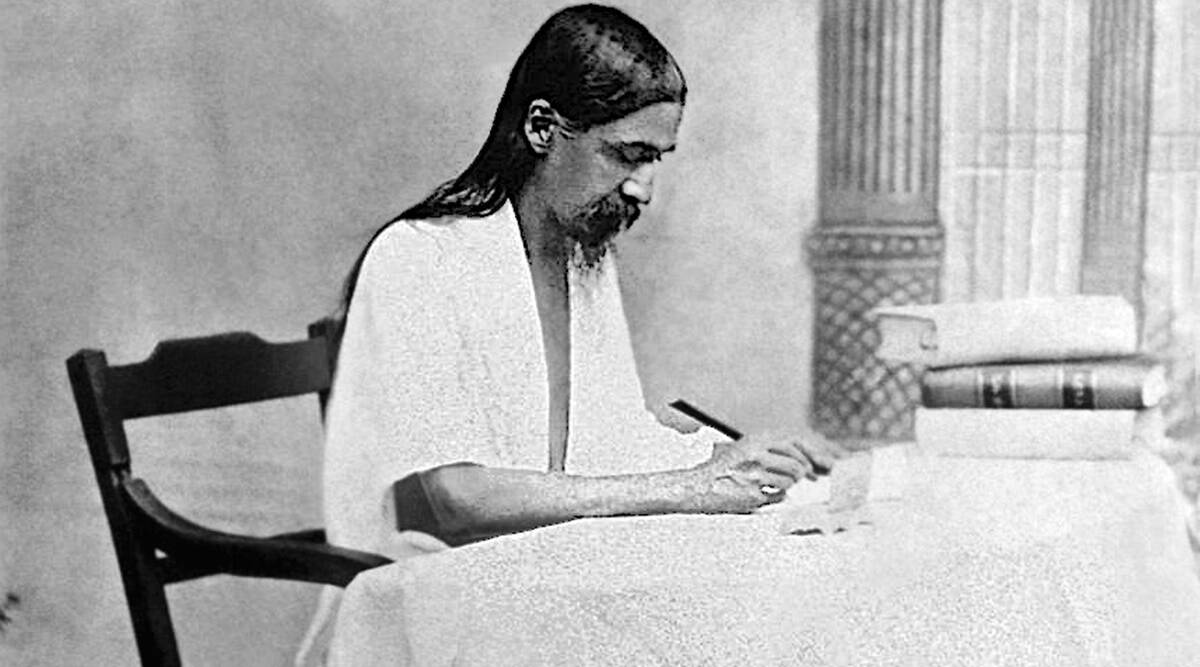
Mother, I bow to thee!Rich with thy hurrying streams,Bright with thy orchard gleams,Cool with thy winds of delight,Dark fields waving, Mother of might,Mother free. Glory of moonlight dreamsOver thy branches and lordly streams,Clad in thy blossoming trees,Mother, giver of ease,Laughing low and sweet!Mother, I kiss thy feet,Speaker sweet and low!Mother, to thee I bow. WhoContinue reading “Bande Mataram”
Spirituality is much wider than any religion…
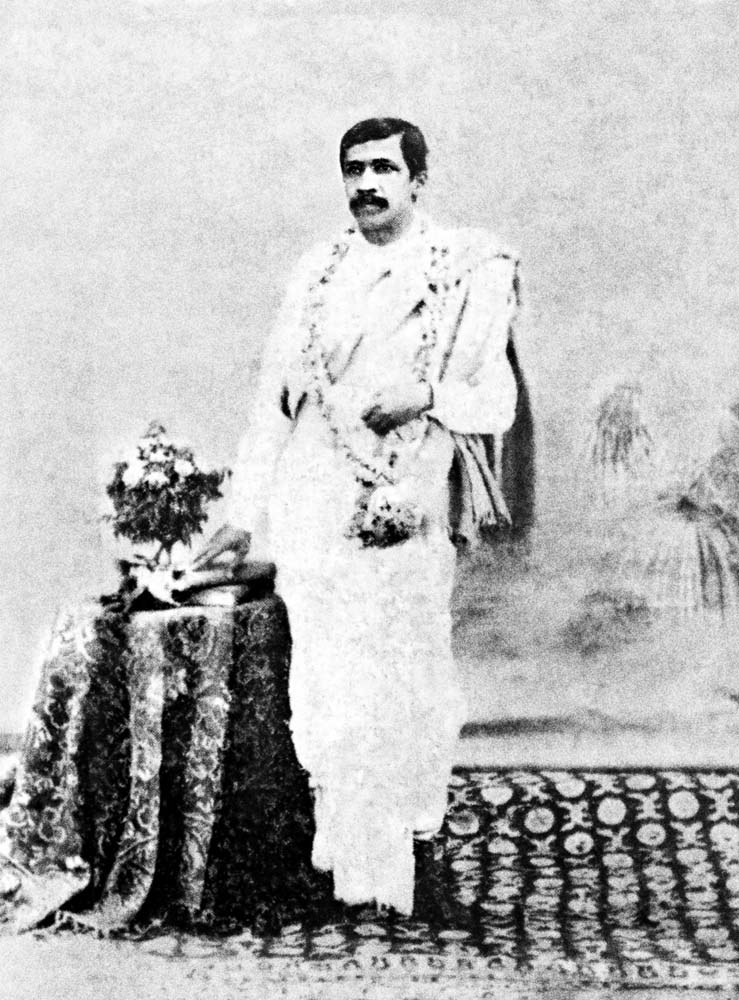
Spirituality is much wider than any particular religion, and in the larger ideas of it that are now coming on us even the greatest religion becomes no more than a broad sect or branch of the one universal religion, by which we shall understand in the future man’s seeking for the eternal, the divine, theContinue reading “Spirituality is much wider than any religion…”
I swore I would not supper from the world’s grief
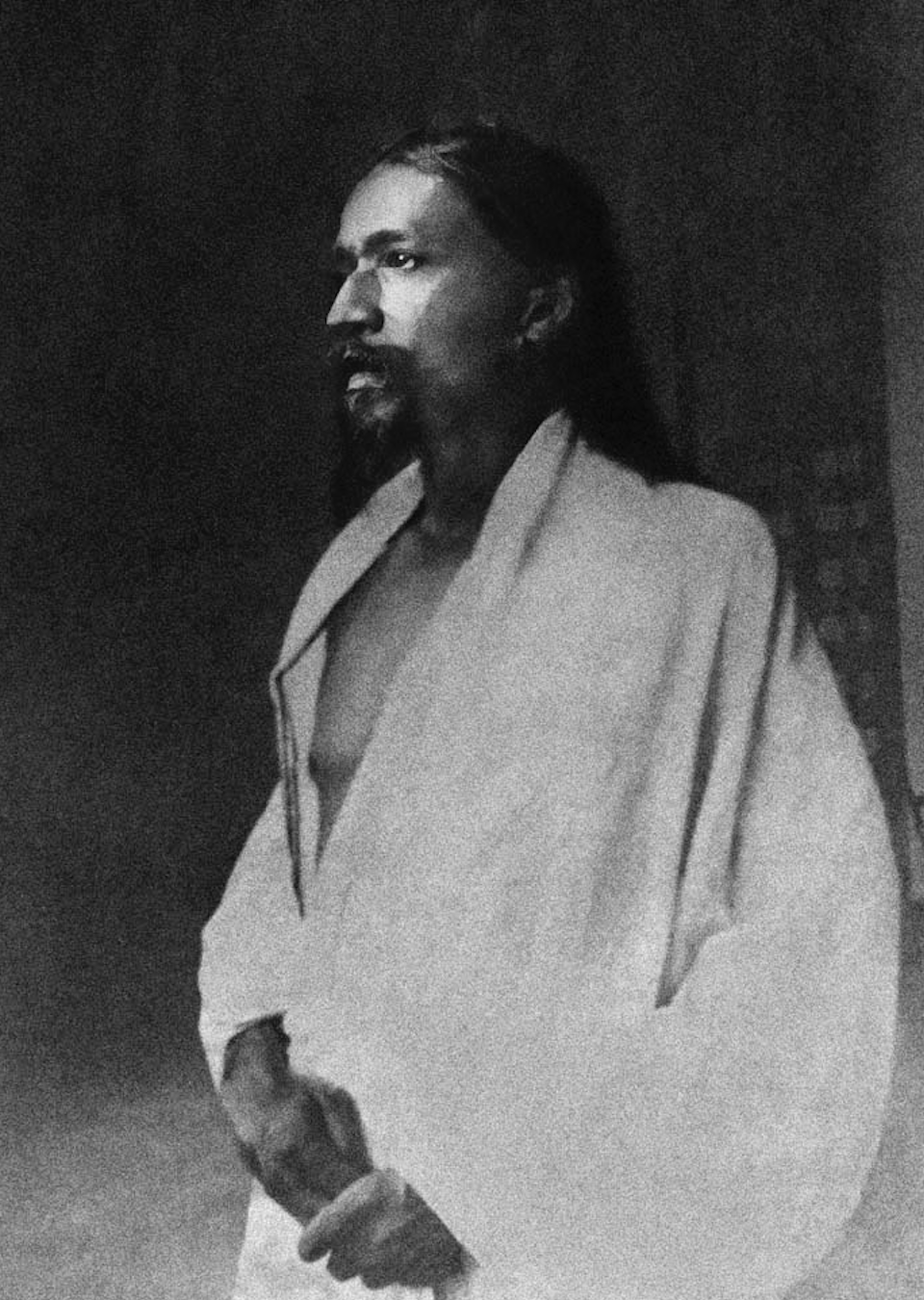
I swore that I would not suffer from the world’s grief and the world’s stupidity and cruelty and injustice and I made my heart as hard in endurance as the nether millstone and my mind as a polished surface of steel. I no longer suffered, but enjoyment had passed away from me.— Sri Aurobindo
Sri Aurobindo on the right spirit
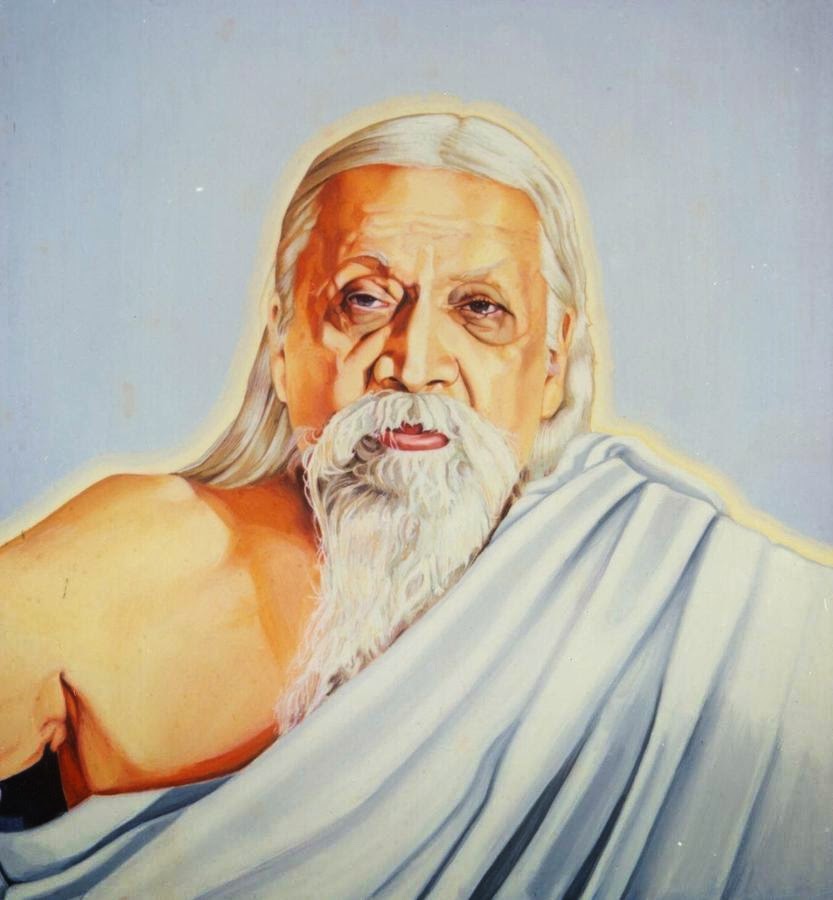
Aspire, concentrate in the right spirit and, whatever the difficulties, you are sure to attain the aim you have put before you. The right spirit is the will to perfect oneself, or the will to be calm, or…it depends, you see,…on the circumstances… it means that in each circumstance there is a spirit which isContinue reading “Sri Aurobindo on the right spirit”
Sri Aurobindo, Bases of Yoga
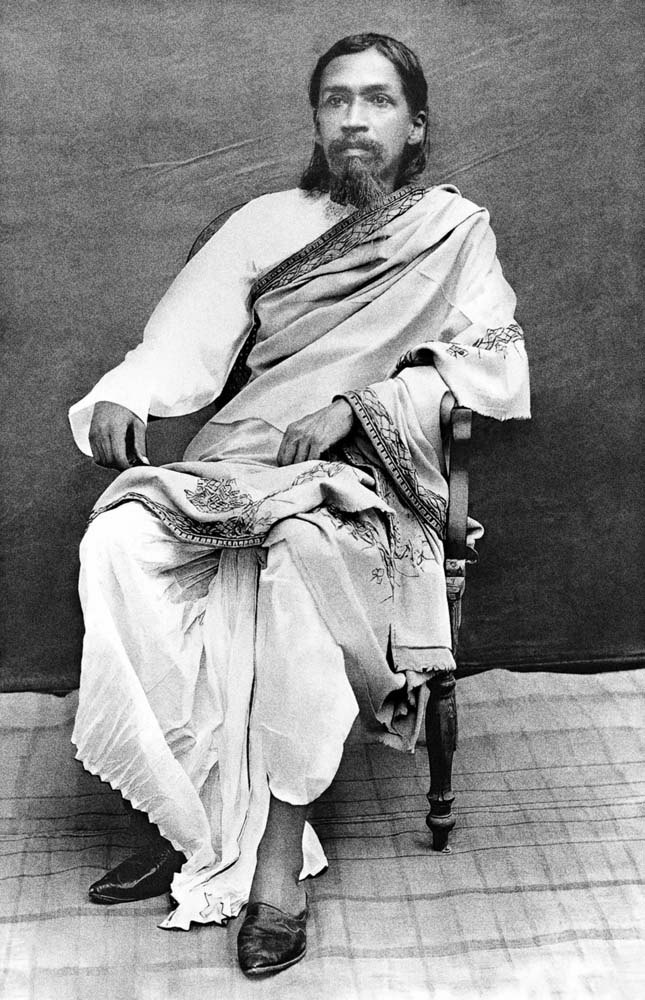
A criticism that ignores or belittles the significance of the unsurpassed record and the splendor the self expressing spirit and creative intelligence of the Vedas, stands convicted at one of a blind malignity or an invincible prejudice and does not merit refutation. By your stumbling, the world is perfected. We must not only cut asunderContinue reading “Sri Aurobindo, Bases of Yoga”
Life of Sri Aurobindo Ghose
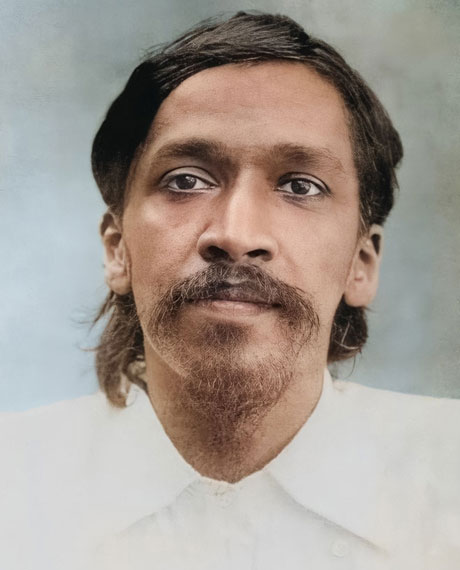
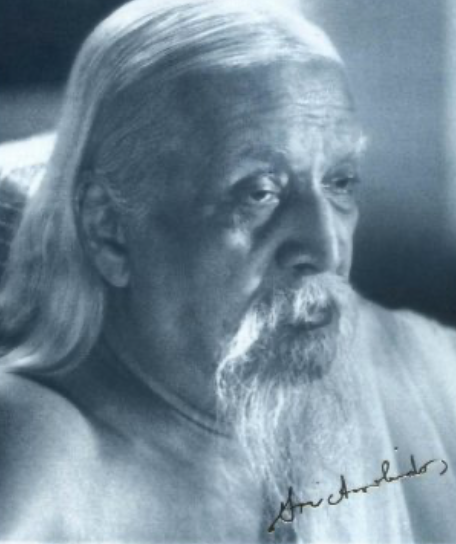
Sri Aurobindo Ghose full name was Aurobindo Acroyd Ghose who later on in his life became famous as Sri Aurobindo Maharishi. Furthermore, he was a great scholar, revolutionary, yogi, patriot, philosopher, mystic, poet, humanist, and guru. Moreover, he was born in a standard Bengali family of Kolkata in 1872 on 15thAugust. In addition, the surroundingsContinue reading “Life of Sri Aurobindo Ghose”
Letters on Yoga
“The spiritual life (adhyatma-jivana), the religious life (dharma-jivana) and the ordinary human life of which morality is a part are three quite different things and one must know which one desires and not confuse the three together. The ordinary life is that of the average human consciousness separated from its own true self and fromContinue reading “Letters on Yoga”